The global eyewear market is projected to grow from $173.89 billion in 2025 to $193.58 billion in 2026, at a compound annual growth rate of 11.3%. That growth is not just about more people needing glasses. It is being driven by shifting consumer behavior: personalization, sustainability, and a hunger for frames that feel like an extension of identity rather than a generic purchase.
Whether you are launching a new brand or refreshing an existing collection, here are the trends shaping 2026 — and what they mean for your product line.
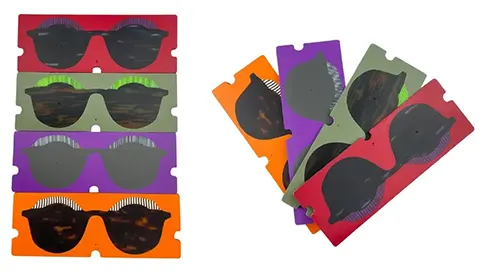
Single-color frames are no longer enough. Consumers are gravitating toward multi-color, layered designs that make a frame instantly recognizable. This is where splicing craftsmanship moves from a niche technique to a central trend.
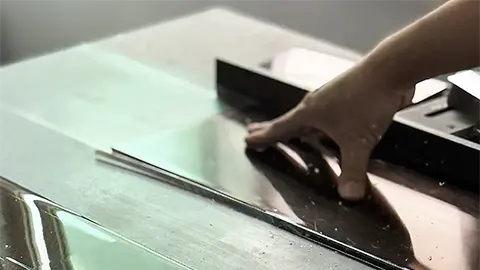
A spliced acetate frame combines different acetate sheets — different colors, different textures — cut and bonded before shaping. The result is a visual depth that cannot be achieved with a single sheet. Brands are experimenting with high-contrast pairings like amber and navy, or softer blends like olive and cream. The goal is not just decoration. It is identity. When the frame itself is the statement, brand recall goes up.
Sustainability has moved from a marketing angle to a baseline expectation. Bio-acetate, recycled metals, and plant-based materials are entering mainstream production.
The shift is measurable. Eastman Acetate Renew, for example, uses certified sustainable wood pulp combined with recycled waste plastics. MYKITA was the first eyewear manufacturer to fully switch its acetate supply to this material, reducing the carbon footprint per frame by up to a third compared to traditional acetate production. Eco Eyewear's Bio Acetate line uses 70% bio-based content derived from FSC-certified wood pulp and natural cotton — it is phthalate-free, non-toxic, and biodegradable. The material retains the same look and tactile quality as traditional acetate, so the design possibilities are not compromised.
For B2B buyers, this means asking your manufacturing partner a direct question: can you offer a bio-acetate option without sacrificing color depth or finish quality? A factory that can answer yes is worth keeping.
Oversized frames continue to dominate retail and street style. Hexagons, octagons, and asymmetric silhouettes are gaining traction because they offer strong coverage while making a visual statement. Geometric shapes also play well with color-blocking — a multi-color frame in a bold geometric silhouette is the kind of product that sells itself on a shelf. For optical lines, oversized acetate frames remain a reliable core style, especially when paired with a distinctive color story.
Thin metal frames in gold, silver, and titanium finishes are trending strongly for optical wear. The appeal is a refined, professional look that works in both office environments and fashion-forward settings. Titanium, in particular, offers a lightweight feel that consumers associate with premium quality. For brands targeting optical practices, titanium and acetate-metal combinations are worth prioritizing in 2026.
Nostalgia is not going anywhere. Cat-eye, round, and aviator profiles from the 70s and 90s are being reworked with modern materials and proportions. The brands doing this well are not making pure reproductions. They are taking the silhouette and updating it with a contemporary material story — a spliced acetate front on a retro shape, for example, or a titanium temple on an oversized round frame. The balance is between vintage charm and modern wearability.
Consumers want eyewear that reflects their individuality, not a mass-market default. This is driving demand for color customization, engraved logos, and packaging options that feel personal. Low MOQ manufacturing makes this accessible even for smaller brands — a 300-pair launch can include custom color combinations and branded detailing without requiring a full-scale production run. The brands winning here treat customization as a product feature, not an afterthought.
Smart glasses are no longer a niche experiment. According to Omdia, global AI glasses shipments reached 4.2 million units in the first half of 2026, up 127% year-over-year. Counterpoint Research reports an even sharper surge — 263% growth in the same period, with display-less AI glasses accounting for 96% of shipments. Meta dominated with 81.3% market share, but Chinese OEMs are accelerating the category with new form factors and use cases.
The practical takeaway for eyewear brands: the frame itself still matters. Smart glasses need a frame that looks like something people want to wear — and that is where craftsmanship, material quality, and design still differentiate. A well-made acetate or titanium frame is the foundation, regardless of what technology sits inside it.
Three threads connect all seven trends: identity, material quality, and intentional design. Consumers are not just buying eyewear. They are buying a frame that says something — about their taste, their values, or simply how they want to be seen.
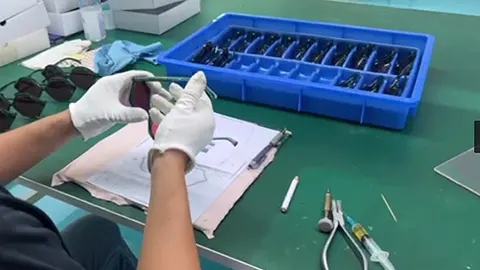
At Liangcai Creative, we have been producing acetate eyewear since 2010. Splicing craftsmanship is not a trend we are chasing — it is the work we have specialized in for over 15 years. If you are planning a collection around color-blocking, personalized color stories, or a signature spliced acetate silhouette, our OEM/ODM team can review your brief and tell you what is possible at 300 pairs and what needs a larger run. You can also browse our custom spliced acetate sunglasses to see how these trends translate into production-ready frames. Or contact us directly for a straight conversation about your next line.